US's big bet on quantum computing may not be entirely legal
US quantum computing investment may face legal challenges, foundry launch questioned.
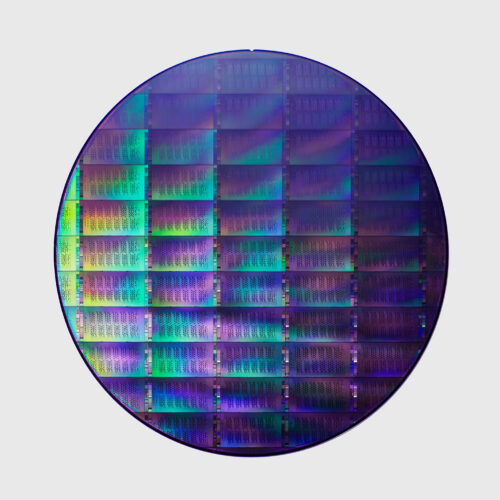
“Deal also launched the first quantum foundry company, but is there a need for it?”
Why it matters
Weekly Silicon's editorial model scored this 4.20/10 overall, reading it above all as a policy story — government action redrawing the industry's rules. Its strongest dimension is regional relevance at 7/10 — direct impact on US technology hubs rather than a purely overseas development — with policy & geopolitics close behind at 6/10, pointing to state action or geopolitical friction shaping the industry's rules. The impact is global rather than tied to one US hub, so the thing to watch is how it filters into domestic supply chains and hiring.
Derived from the AI score breakdown below.
AI score breakdown
A composite of 4.20/10 put this story at #9 for Monday, May 25, 2026, driven mostly by regional relevance (7/10) and policy & geopolitics (6/10).
Composite is the weighted sum of the five dimensions. How scoring works →
Related stories
- How new US chip restrictions on South East Asia will hit China · 2026-11-18
- Leading semiconductor analyst says AMD should be investigated for 'treason' over availability of restricted chips in China, AMD blames diversion of export-controlled RFSoC — $36,000 radar silicon allegedly quoted at $1,000 for crowdfunding project · 2026-11-14
- Nvidia preps exit strategy for Jensen Huang as Trump Administration is warned to preserve documents about its knowledge of spying and chip smuggling · 2026-11-13
- Why is Nvidia’s Jensen Huang at the centre of a US-China spy scandal? · 2026-11-10
- The Great AI Grift · 2026-04-09