America’s AI Advantage Runs into Trouble in the Strait of Hormuz
US AI advantage faces vulnerability in Middle East; material supply chains fragile
“The Iran war has shown two things at once. It has shown that AI now matters at operational speed, and it has shown that the…”
The Weekly Silicon take
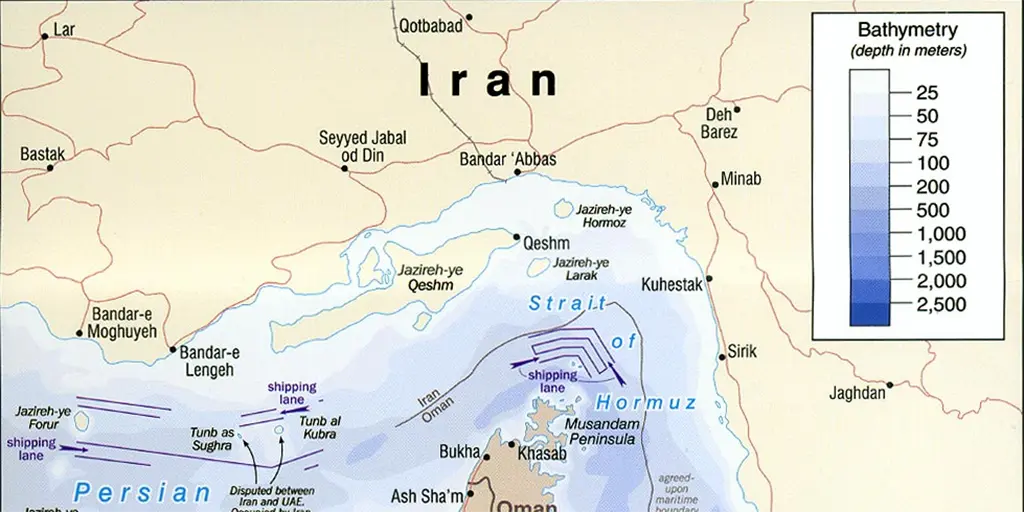
The conflict involving Iran has put a spotlight on a point that rarely appears in AI strategy discussions: military and commercial AI advantage rests on physical inputs, including energy, materials and shipping routes, that run through contested geography. Software capability that now matters at operational speed still depends on chips, data centers and the supply chains behind them. The Strait of Hormuz makes the exposure concrete. US chip designers, cloud operators and defense contractors are the obvious stakeholders, since all depend on inputs they do not fully control. Allied manufacturers in Asia and Europe share the exposure through energy and materials costs. Data center developers face the risk through power prices and equipment lead times. Governments weighing stockpiles, domestic sourcing and export controls get a stronger argument for treating materials as strategic assets alongside chips. The next signals include company earnings commentary on input costs and supply disruptions, along with shipping and insurance data for the region. Policy moves such as stockpiling programs, funding for domestic materials processing and changes to export controls would show whether the concern is turning into action. Evidence of production delays at fabs or data center projects would confirm the vulnerability; a quick return to normal flows would weaken it.
AI score breakdown
A composite of 6.65/10 put this story at #10 for Saturday, April 25, 2026, driven mostly by policy & geopolitics (9/10) and regional relevance (8/10).
Composite is the weighted sum of the five dimensions. How scoring works →
Related stories
- How new US chip restrictions on South East Asia will hit China · 2026-11-18
- Leading semiconductor analyst says AMD should be investigated for 'treason' over availability of restricted chips in China, AMD blames diversion of export-controlled RFSoC — $36,000 radar silicon allegedly quoted at $1,000 for crowdfunding project · 2026-11-14
- Nvidia preps exit strategy for Jensen Huang as Trump Administration is warned to preserve documents about its knowledge of spying and chip smuggling · 2026-11-13
- Why is Nvidia’s Jensen Huang at the centre of a US-China spy scandal? · 2026-11-10
- The Great AI Grift · 2026-04-09