Kuka, one of the largest industrial robotics suppliers, says it is prioritizing US and Asia investments, as Europe's industrial companies are slow to adopt AI (Marilen Martin/Bloomberg)
Robotics supplier shifts investment from Europe to US and Asia
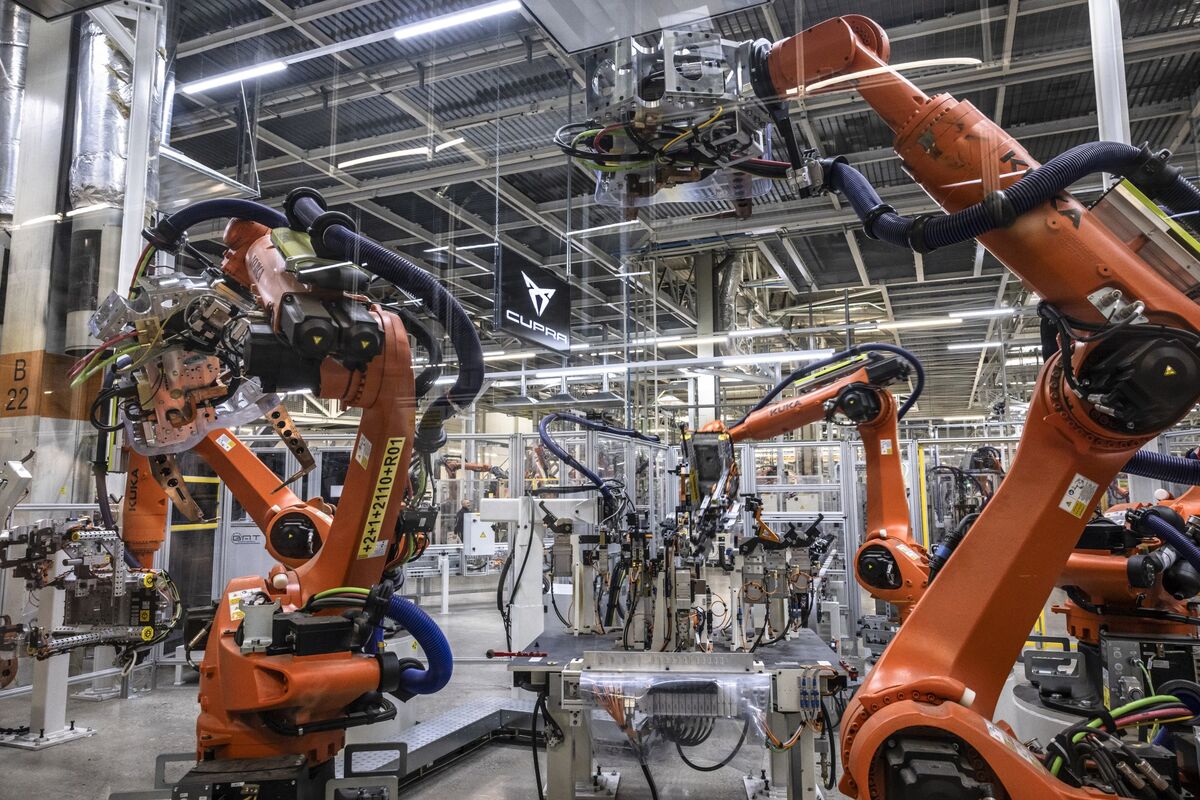
“Marilen Martin / Bloomberg: Kuka, one of the largest industrial robotics suppliers, says it is prioritizing US and Asia investments, as Europe's industrial companies are…”
The Weekly Silicon take
Kuka is one of the largest industrial robot suppliers, so where it puts capital says something about where factory automation demand is expected to grow. Its decision to put US and Asia ahead of Europe comes with a stated reason: European industrial companies are moving slowly on AI. Robot makers increasingly pair hardware with AI-driven software, and that pairing depends on customers willing to redeploy production lines. The immediate effect falls on Kuka's home region. Kuka is headquartered in Germany and owned by China's Midea, so the shift in emphasis reads as a commercial choice, not a retreat from a parent's market. European manufacturers, integrators and suppliers risk getting less local investment and engineering attention from a major automation vendor. US and Asian factories, meanwhile, may get earlier access to newer capabilities. Chip and sensor suppliers to robotics see demand follow wherever the vendor's capacity and R&D go. The next signals are concrete. Look for Kuka announcements of new plants, application centers or hiring in the US and Asia, and for any matching cutbacks in Europe. Customer commentary from European automakers and machinery builders on AI pilots turning into purchase orders would undercut the premise of slow adoption. Order-intake figures by region in Kuka's reporting, and public policy moves in Europe aimed at industrial AI uptake, would show whether the gap is narrowing or widening.
AI score breakdown
A composite of 6.50/10 put this story at #14 for Thursday, April 9, 2026, driven mostly by regional relevance (9/10) and economic impact (7/10).
Composite is the weighted sum of the five dimensions. How scoring works →
Related stories
- How new US chip restrictions on South East Asia will hit China · 2026-11-18
- Leading semiconductor analyst says AMD should be investigated for 'treason' over availability of restricted chips in China, AMD blames diversion of export-controlled RFSoC — $36,000 radar silicon allegedly quoted at $1,000 for crowdfunding project · 2026-11-14
- Nvidia preps exit strategy for Jensen Huang as Trump Administration is warned to preserve documents about its knowledge of spying and chip smuggling · 2026-11-13
- Why is Nvidia’s Jensen Huang at the centre of a US-China spy scandal? · 2026-11-10
- The Great AI Grift · 2026-04-09